
US-Iran Tensions Escalate: Trump Rejects New Deal, Gulf Security Fears Drive Oil Prices Higher
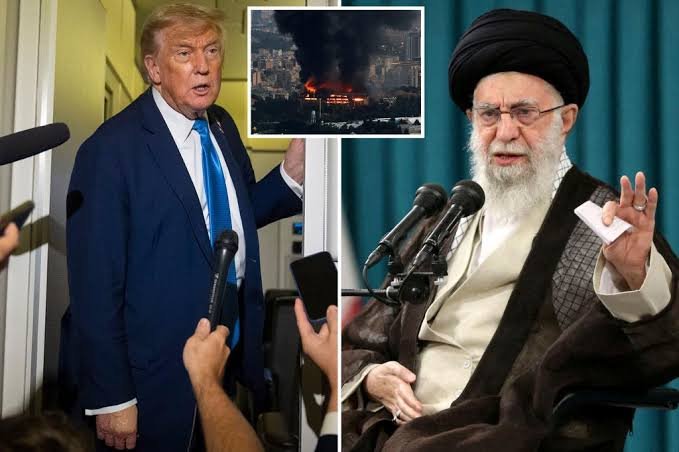
Tensions between the US and Iran have escalated once again. Following a series of new attacks and retaliatory actions between the two nations, US President Donald Trump issued a major statement declaring that the ceasefire with Iran is now over. He made it clear that he is no longer in favor of any new agreement with Tehran. Speaking during a NATO summit in the Turkish capital, Ankara, Trump stated that he had delivered a clear message to Iran: if it launches an attack, the US will respond with far greater severity. Criticizing the Iranian leadership, he asserted that the US would not allow Iran to proceed with the development of nuclear weapons. Trump claimed that the US had carried out a significant military action against Iran the previous night. He also remarked that negotiating a new deal with Iran would be a waste of time, noting that the consensus reached earlier has completely dissolved in the wake of recent events. The US President also expressed dissatisfaction with NATO allies, stating that some members were failing to provide the expected level of cooperation against Iran. Describing Iran as the world’s leading state sponsor of terrorism, Trump reiterated his commitment to maintaining a tough stance against the country. Meanwhile, Iran has reacted strongly to the US decisions. The Iranian Foreign Ministry condemned the US move to revoke waivers on oil sanctions, terming it a serious violation of Article 10 of the Islamabad Memorandum of Understanding. Tehran characterized the move as a breach of the trust established between the two nations. The recent escalation in tensions was triggered by attacks on US military bases in Bahrain and Kuwait. The US alleges that Iran is behind these attacks. Trump stated that the US had responded to these incidents with unprecedented military force and would continue to adhere to this policy in the future. These events have effectively rendered the interim ceasefire established last month null and void, raising fresh concerns regarding security and stability in the Gulf region. The impact of rising tensions is also visible in the global energy market, and a surge in crude oil prices has been recorded in the international market.
Iran-Israel Ceasefire Collapses as Beirut Strike Triggers Missile Exchange and Oil Price Surge
The ceasefire between Israel and Iran has ended. Following an Israeli airstrike on the southern suburbs of Beirut, the Iranian military launched ballistic missiles at Israel; in retaliation, Israel struck the Karun Petrochemical Plant in the southwestern city of Mahshahr. The renewed conflict between Iran and Israel had an immediate impact on the global economy, with Brent crude oil prices rising by approximately 5% following the attack. On Sunday, the Israel Defense Forces (IDF) conducted an airstrike targeting a residential building in the southern suburbs of Beirut—despite a US request not to attack the Lebanese capital—leaving several people reportedly injured. Iran fired multiple ballistic missiles at targets within Israel In response to the bombing in Beirut, Iran fired multiple ballistic missiles at targets within Israel. Iran has repeatedly insisted that any ceasefire must encompass all regional fronts, including Lebanon. The Israeli Air Force launched a retaliatory strike on the Karun Petrochemical Company in Bandar-e Mahshahr, Khuzestan province; while the region’s deputy governor, Valiollah Hayati, confirmed the attack, emergency evacuations were initiated, and no casualties were reported.