
Narendra Modi Creates Record, with Third Consecutive Term as Prime Minister…
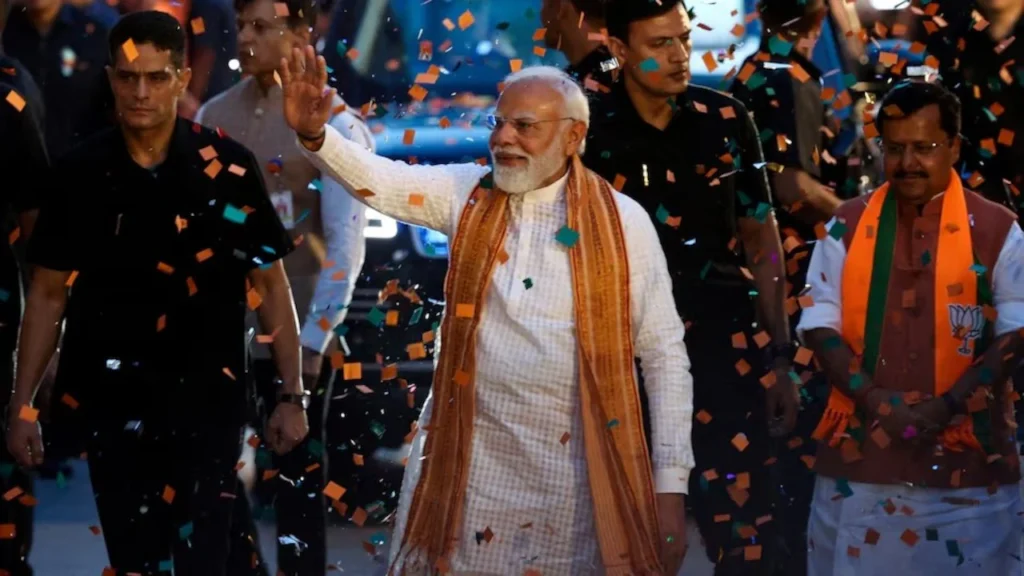
Prime Minister Narendra Modi has once again made history. He has become the first Prime Minister since independence to complete three consecutive terms. It is worth noting that he first took the oath of office on May 26, 2014, following the BJP’s electoral victory. He subsequently secured the premiership again in 2019 and 2024, making him the first leader since independence to serve three consecutive terms. Prime Minister Narendra Modi has become the first leader to complete 12 years or 4,399 days as India’s Prime Minister. PM Modi claimed the top spot by surpassing the record held by India’s first Prime Minister, Jawaharlal Nehru, whose tenure lasted 4,398 days. Former Prime Minister Indira Gandhi holds the third position with a tenure of 4,077 days, while Dr. Manmohan Singh ranks fourth with 3,656 days. On the occasion of Prime Minister Narendra Modi completing three terms, senior BJP leaders Amit Shah and Rajnath Singh described the milestone as a reflection of the public’s strengthened trust in Modi’s work regarding security, culture, and diplomacy. Responding to this, PM Modi remarked that good governance is measured by public service, which in turn reinforces trust. Meanwhile, global leaders from the US, Israel, the Maldives, Australia, Sri Lanka, Papua New Guinea, Trinidad and Tobago, and Africa also extended their congratulations.
Iran-Israel Ceasefire Collapses as Beirut Strike Triggers Missile Exchange and Oil Price Surge
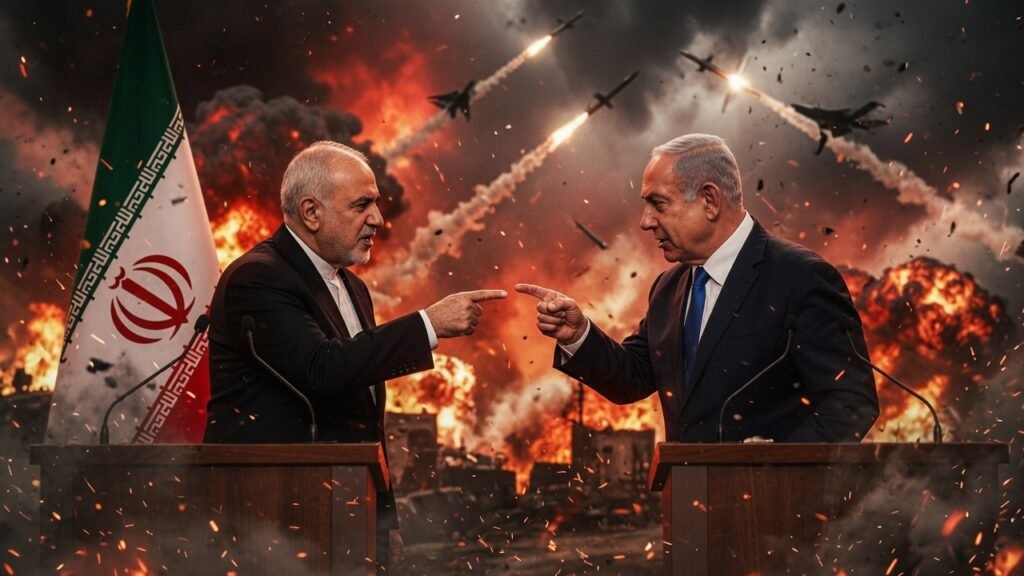
The ceasefire between Israel and Iran has ended. Following an Israeli airstrike on the southern suburbs of Beirut, the Iranian military launched ballistic missiles at Israel; in retaliation, Israel struck the Karun Petrochemical Plant in the southwestern city of Mahshahr. The renewed conflict between Iran and Israel had an immediate impact on the global economy, with Brent crude oil prices rising by approximately 5% following the attack. On Sunday, the Israel Defense Forces (IDF) conducted an airstrike targeting a residential building in the southern suburbs of Beirut—despite a US request not to attack the Lebanese capital—leaving several people reportedly injured. Iran fired multiple ballistic missiles at targets within Israel In response to the bombing in Beirut, Iran fired multiple ballistic missiles at targets within Israel. Iran has repeatedly insisted that any ceasefire must encompass all regional fronts, including Lebanon. The Israeli Air Force launched a retaliatory strike on the Karun Petrochemical Company in Bandar-e Mahshahr, Khuzestan province; while the region’s deputy governor, Valiollah Hayati, confirmed the attack, emergency evacuations were initiated, and no casualties were reported.
US-China Rivalry, Middle East Crisis, and Russia-China Alliance Reshape World Politics
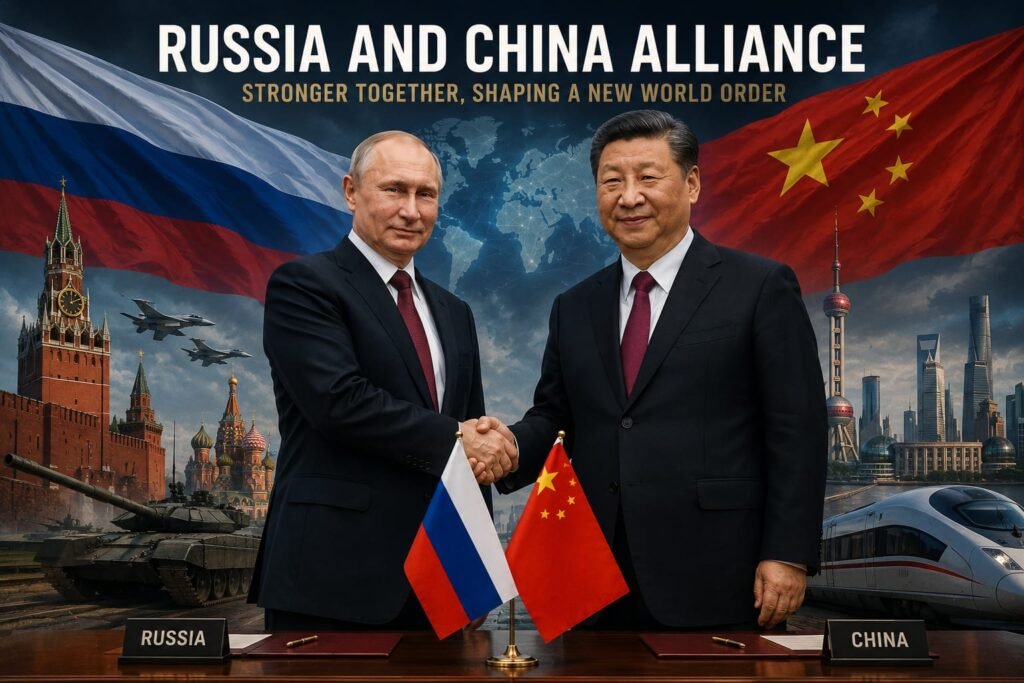
The relationship between global power and countries are changing significantly. According to Expert, the power of Western countries does not remain same as earlier they have been dealing with new challenges. key changes increase tension between US and China over Ukraine, tension between America and China increase after distruptions, deep economic associate between China and America, and large problem created by middle East crisis are also included in it. America and Cuba conflict has increased pressure. America thinking about pressurizing Cuba by its policies, and considered havana’s action a threat to national security. It also affect the flow of fuel supply. Through diplomatic influence, Washington offered economic and infrastructure help in exchange for important domestic changes. However, the situation remained tense because of severe fuel shortages and widespread power cuts in India. It talks about America’s current policies and new changes along with government discussion about relation between countries. Despite restrictions from Western countries China and Russia made decisions in the Beijing meeting to strengthen their cooperation and friendship. Bilateral relation between both the countries accelerate and crossed 200 billion dollar.This is mainly based on the demand for oil and gas, and depends on economic growth and GDP growth. To understand how these geopolitical changes are affecting markets and corporate strategies, you can look at further information. The clashes between US, Israel and Iran distrupting global energy routes especially around Strait of Hormuz.These conflicts are forcing big countries to change their plans and the Middle East is becoming more unstable because of energy problems and political changes.