
Agriculture Minister Ganesh Joshi flags off litchi exports…
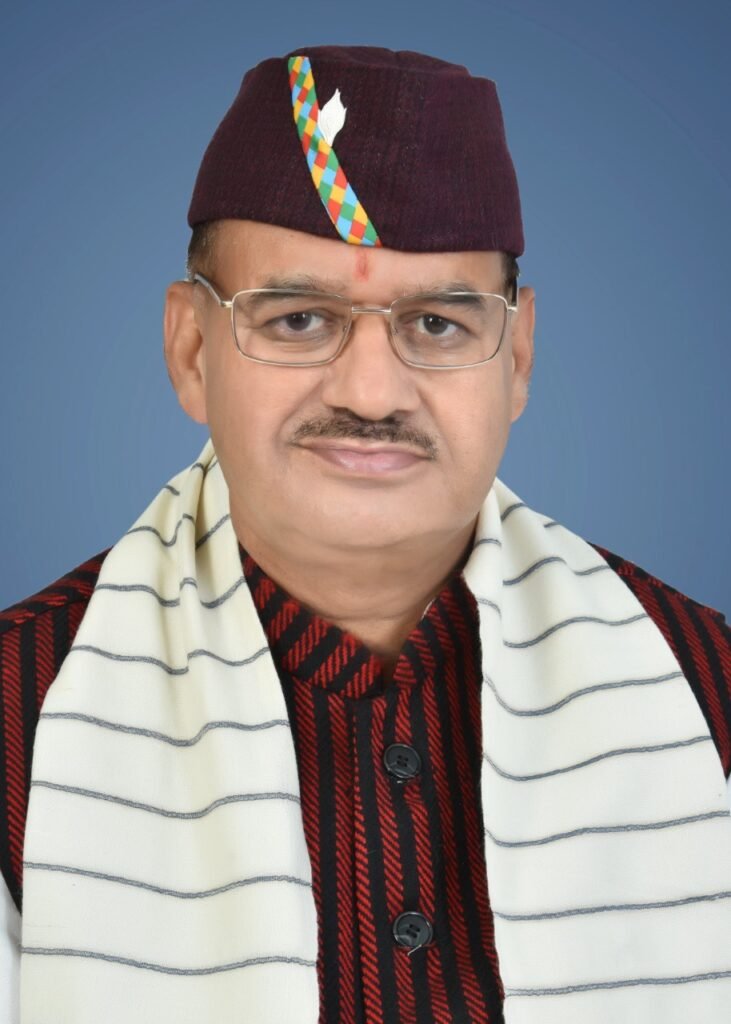
During Prime Minister Modi’s recent visit to Italy, the gesture of gifting ‘Melody’ toffees to Italian Prime Minister Meloni garnered significant headlines, sparking everything from memes to political and cultural discussions on social media. Now, a new culinary bond is forming between India and Italy; for the first time, lychees are being exported from Dehradun, the capital of Uttarakhand, to Italy—a major milestone for the state’s horticulture sector. Dehradun’s lychees are renowned for their sweetness, aroma, and quality, commanding high demand both domestically and internationally. However, their limited shelf life has historically made reaching international markets a challenge. Modern packaging techniques and improved cold chain infrastructure have now significantly mitigated this issue. Consequently, approximately 1,000 kg of lychees are being shipped from Dehradun to Delhi, and onward to Italy. Lychees are delicate fruits that begin to spoil within three days, making long-distance transport—whether domestic or international—a difficult task. However, with the assistance of the Agricultural and Processed Food Products Export Development Authority (APEDA), preparations have been made to export the fruit safely. Modern packaging technology plays a crucial role here, keeping the lychees fresh and high-quality for extended periods—enabling them to remain safe for consumption for over ten days. Technical expert N.C. Shah notes that modern packaging technology has facilitated the export of lychees to international markets. Previously, their perishability made overseas transport challenging, but new packaging systems and temperature control technologies now allow them to be preserved for longer durations. Maintaining a temperature of approximately 5°C during transit is essential, and the combination of advanced packaging and cold chain logistics has successfully ensured this consistent temperature control. This same technology has previously been used to export lychees from Muzaffarpur (Bihar) to Dubai and from Pathankot (Punjab) to Qatar. The export from Dehradun to Italy is being hailed as a historic moment. Moreover, the distinctive aroma and balanced sweetness of Dehradun litchis rank them among the finest in the country, ensuring a consistently high demand in the market. In the future, opportunities may open up in markets across Europe and other nations, thereby boosting the income of local farmers and strengthening Uttarakhand’s horticultural economy.Ganesh Joshi, the Minister of Agriculture and Horticulture, states that this is a matter of pride for the state’s farmers and the horticulture sector, noting that the state government is making continuous efforts to secure global recognition for its agricultural and horticultural produce. This initiative represents more than just the export of a fruit; it symbolizes Uttarakhand’s agricultural potential, the adoption of modern technology, and the ambition to access global markets. If this endeavor proves successful, Dehradun litchis could carve out a distinct identity in the international fruit export trade.
PM Modi Returns After Five-Nation Tour, Secures Key Energy, Tech and Climate Partnerships Across Europe and UAE..
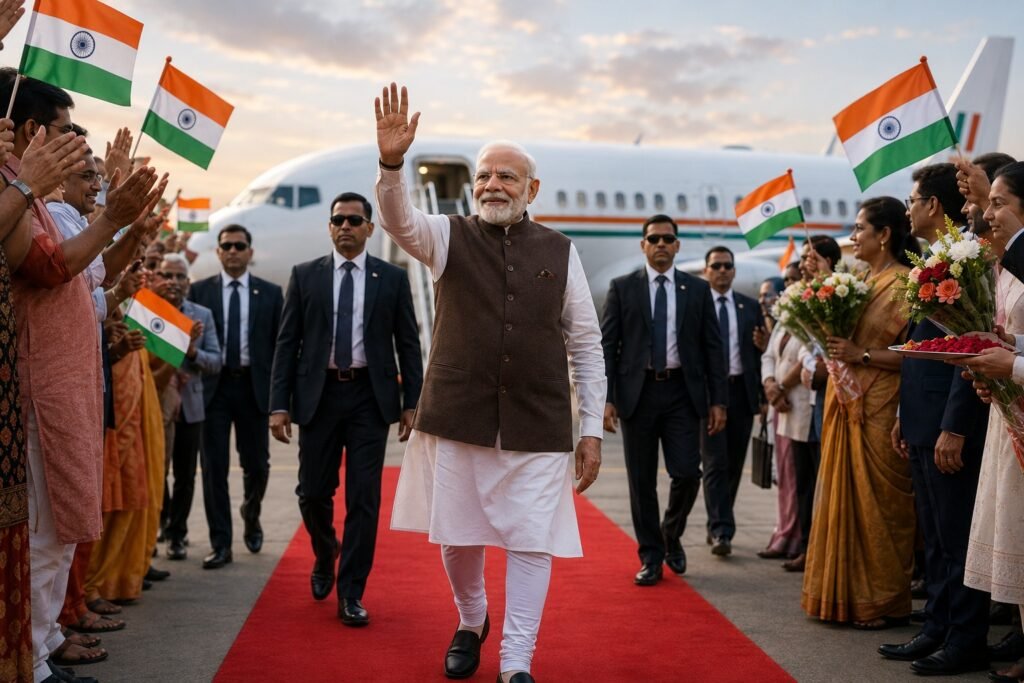
PM Narendra Modi returned to India after concluding his five-nation tour, including the UAE, the Netherlands, Sweden, Norway, and Italy. This visit focused on addressing energy security amid the Middle East crisis. The tour also focused on a strategic partnership in energy security, technology, and climate action, with agreements signed to enhance relations between the two countries. PM Modi’s first stop in the UAE was where the two countries signed agreements to secure long-term LPG supplies, expand crude oil storage facilities, and allow ADNOC to potentially increase its crude oil storage capacity in India by 30 million barrels. On his second visit, PM Modi arrived in the Netherlands, where his visit focused on technology and cultural diplomacy. During this visit, ASML and Tata Electronics signed a major deal to supply advanced lithography tools for a planned $11 billion semiconductor manufacturing fabrication plant in Dholera, Gujarat. PM Modi also visited the famous Afsluitdijk Dam to study Dutch flood control, water management, and renewable energy infrastructure. The Netherlands officially returned 11th-century Chola dynasty copper plates to India at a ceremony attended by PM Modi. In Sweden, PM Modi’s visit aimed to strengthen bilateral ties and elevate India-Sweden relations to a formal strategic partnership. The two countries adopted the India-Sweden Joint Action Plan (2026–2030), agreeing on a shared goal of doubling trade and investment over the next five years. India and Sweden also agreed to enhance their cooperation on space, innovation, emerging technologies, and the green transition. In Norway, the fourth country of his visit, PM Modi held talks with Norwegian PM Jonas Gahr Støre, where they officially elevated the relationship to a “Green Strategic Partnership,” focusing on the green energy transition, the blue economy, climate action, and Arctic cooperation. PM Modi also participated in the third India-Nordic Summit, which aimed to enhance trade, investment, and technological cooperation with northern European countries. PM Modi also met with the leaders of Denmark, Finland, Iceland, Sweden, and Norway in Oslo to forge a joint front on Arctic strategy and maritime security. In the final leg of his five-nation tour, Modi traveled to Italy, where he met with Italian Prime Minister Giorgio Meloni and President Sergio Mattarella. During PM Modi’s visit, India and Italy adopted a joint declaration to strengthen their partnership, including an annual Heads-of-Government Summit and a target of reaching $23.2 billion in bilateral trade by 2029.Agreements were also signed on maritime transport, agriculture, higher education, essential minerals, museum cooperation and the fight against economic and financial crime.
PM Modi embarks on five-nation visit, first leg begins in UAE
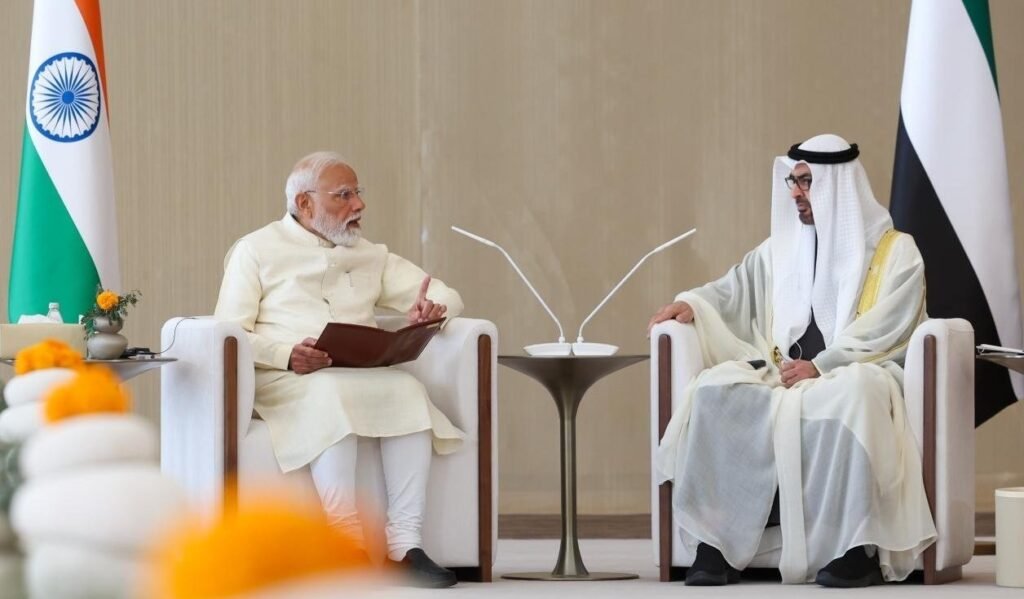
Prime Minister Narendra Modi arrived in Abu Dhabi on Friday for the first leg of his five-nation visit. Upon arrival in Abu Dhabi, he was welcomed by UAE President Sheikh Mohammed bin Zayed Al Nahyan, followed by a guard of honour. During the meeting between PM Modi and the Abu Dhabi President, discussions focused on the India-UAE comprehensive strategic partnership and the rapidly evolving situation in West Asia. Energy security is expected to be a key topic of discussion, as India is monitoring growing concerns about oil supplies and maritime trade routes. Prime Minister scheduled to visit the Netherlands, Sweden, Norway, and Italy The Prime Minister is also scheduled to visit the Netherlands, Sweden, Norway, and Italy. During the talks, PM Modi expressed India’s commitment to providing all possible support to bring peace to West Asia. The two sides also signed agreements to strengthen strategic cooperation in the energy and defense sectors. At the beginning of his meeting with the UAE leader, Modi said, “We condemn the attack on the UAE.” The United Arab Emirates, which hosts a major US military base, has been a target of Iranian attacks during the Iran-US Israel conflict. PM Modi said the UAE’s targeting was unacceptable, but the UAE’s handling of the current situation with restraint was commendable. The Ministry of External Affairs also stated that the Indian Strategic Petroleum Reserves Limited (IPR) signed an agreement with the Abu Dhabi National Oil Company for “strategic cooperation.” The two leaders also signed a strategic cooperation agreement in LPG, aimed at long-term supply of India’s most widely used cooking gas, economic stability, and energy partnership.