
CM Yogi Adityanath’s Mother No More, Panchur Village Mourns Her Demise…
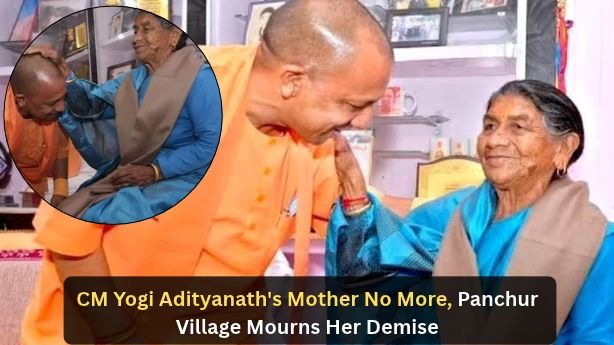
Uttar Pradesh Chief Minister Yogi Adityanath’s mother, Savitri Devi, passed away on Friday, November 20, at the age of 91. She breathed her last at her ancestral home in Panchur village, located in the Pauri Garhwal district of Uttarakhand. According to media reports, she passed away at around 11 AM, leaving the family and villagers in deep mourning. The news was confirmed by local police officials and the district administration. Savitri Devi had been living in her native village and was reportedly experiencing age-related health problems. According to reports, her health had remained fragile for some time. Her passing has brought grief to Panchur village, which has a special connection with the Chief Minister’s family. Despite Yogi Adityanath’s prominent political position, his mother largely remained away from public life and continued living in her ancestral village. Following the news of her demise, political leaders from Uttarakhand and other parts of the country expressed condolences to Yogi Adityanath and his family. Uttarakhand Chief Minister Pushkar Singh Dhami expressed deep sorrow over the loss and prayed for strength for the bereaved family. Union Minister of State for Finance Pankaj Chaudhary also conveyed his condolences, describing the loss of a mother as irreplaceable. According to reports, Savitri Devi’s last rites are expected to be performed in Haridwar on Saturday, November 21. The news has cast a pall of gloom over Panchur village, while condolences continue to pour in for the Uttar Pradesh Chief Minister and his family during this difficult time.
CM Dhami Offers Arghya to the Rising Sun on Chhath, Prays for Uttarakhand’s Prosperity…

Chief Minister Pushkar Singh Dhami participated in the Chhath Mahaparv celebrations at Chhath Ghat in Gram 22 Pul Khiladi, Khatima, on Monday, November 16, 2026. On the concluding day of the four-day festival, the Chief Minister joined devotees in offering Usha Arghya to the rising Sun. He prayed to Chhathi Maiya and Lord Surya Dev for the happiness, prosperity, good health and well-being of the people of Uttarakhand. CM Dhami extended his greetings to devotees and appreciated their devotion towards the festival. He highlighted the dedication of women observing the challenging 36-hour Nirjala Vrat without food and water. He expressed hope that Chhathi Maiya would fulfil everyone’s wishes and Lord Surya Dev would bless all with happiness and prosperity. The Chief Minister also appreciated the arrangements made at the Chhath Ghat, particularly the development of facilities and maintenance of cleanliness for devotees. He said that Chhath Mahaparv represents India’s rich folk culture, faith and traditions while promoting respect for nature, discipline and social harmony. Dhami also participated in the evening Sandhya Arghya celebrations at the same ghat on Sunday and recalled his childhood memories associated with Khatima. Chhath Puja is one of the most significant Hindu festivals dedicated to the worship of the Sun God and Chhathi Maiya. Celebrated over four days, the festival concludes with devotees offering prayers to the rising Sun, followed by the breaking of their rigorous fast. The celebrations in Khatima reflected the deep cultural and religious significance of Chhath among the people of Uttarakhand, particularly families with roots in Bihar and eastern Uttar Pradesh.
26 Years On, Uttarakhand Statehood Activists Still Await Justice; Dhami Government’s Cabinet Committee Raises Hope
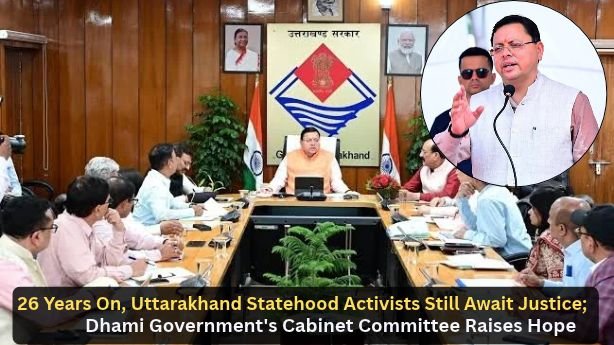
Even after 26 years of Uttarakhand’s formation, several statehood movement activists and their families are still waiting for the recognition and benefits they were promised. On the occasion of the state’s 26th Foundation Day, Chief Minister Pushkar Singh Dhami announced the formation of a Cabinet Committee to address the pending demands and grievances of the activists. The move has raised fresh hopes among those who have been waiting for justice for years. The proposed Cabinet Committee will examine several long-pending issues, including relaxation in the identification criteria for statehood activists, concerns over double pensions and the issuance of certificates to the dependents of activists. The government has also indicated that cases of activists appointed during 2013–14, which fall under the relevant legislation, will be considered for positive action. However, questions are also being raised over the delay in fulfilling the promises made to the activists. According to reports, more than 10,000 applications seeking official recognition as statehood agitators are still pending at district magistrate offices. Data cited in recent reports suggests that 11,420 activists had been identified by 2024, but only 98 had received government jobs. Critics argue that despite repeated assurances by successive governments, many eligible activists and their families are yet to receive their rightful benefits. The issue has once again brought the sacrifices and expectations of Uttarakhand’s statehood movement into the spotlight. While the Dhami government’s Cabinet Committee has created fresh expectations, activists are now looking for concrete decisions and timely implementation rather than another round of assurances.