
In 2025, Chief Minister Pushkar Singh Dhami’s government introduced and passed the Uttarakhand Minority Educational Institutions Bill in the Assembly in August . Consequently, in October 2025, Governor Lieutenant General Gurmeet Singh gave his final assent to the bill, making it law.
The Uttarakhand Madrasa Board ceased to exist on Tuesday, June 30, 2026, and the Uttarakhand Minority Education Authority came into effect on July 1. Consequently, the 452 madrasas operating in the state will now be required to obtain recognition from the Minority Education Authority. Currently, approximately 400 madrasas operate from grades 1st to 8th, and 55 madrasas operate from grades 9th to12th.
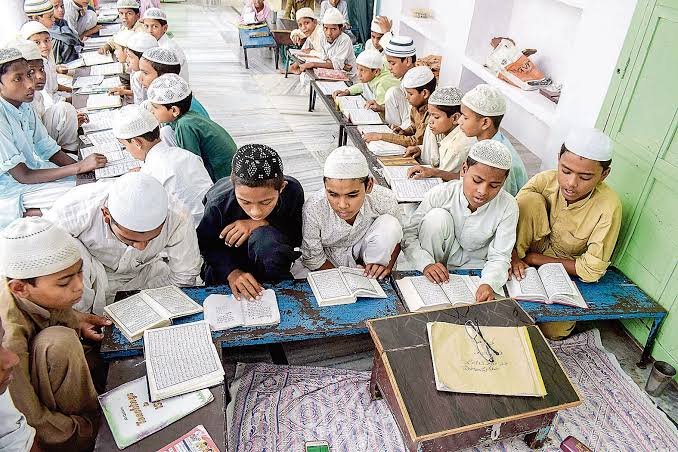
This law has created the Uttarakhand State Minority Education Authority to manage madrasas, which will regulate schools in the Muslim community, as well as Sikh, Christian, Jain, Buddhist, and Parsi schools. A major challenge for the Madrasas in Uttarakhand is that they do not own any land and are operating on the property of the Madrasa Board. Consequently, these Madrasas may face significant difficulties in obtaining recognition from the Uttarakhand Minority Education Authority, as only those Madrasas that comply with the Uttarakhand Education Department’s standards will be recognized.
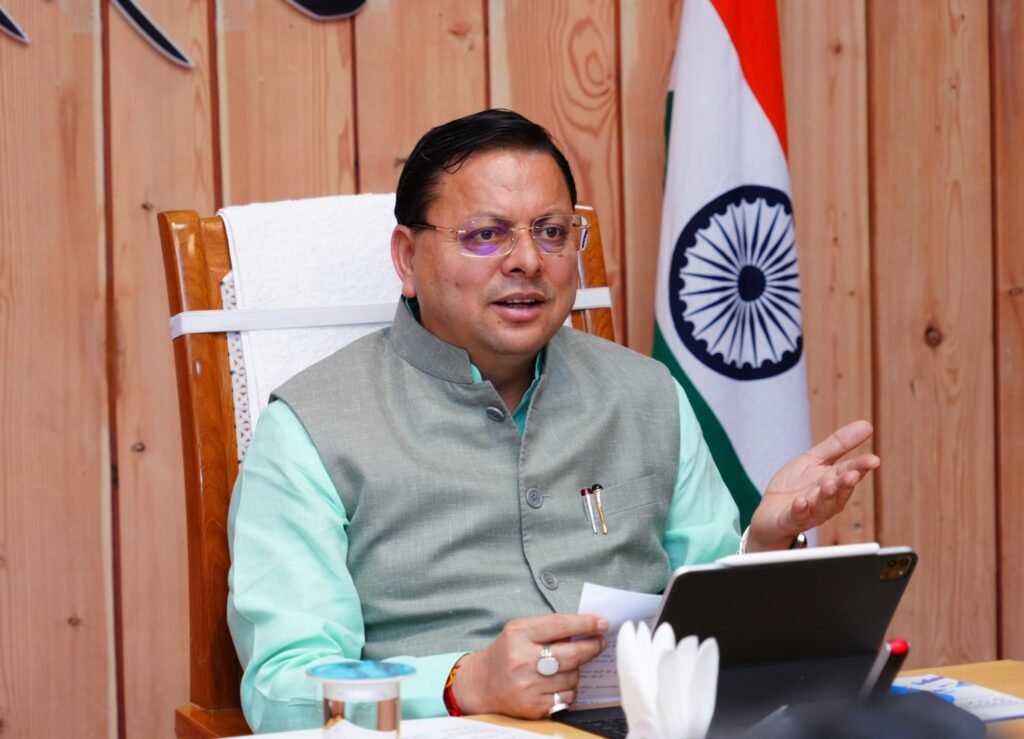
According to Special Secretary Dr. Parag Madhukar Dhakate, this new arrangement has been established for children from all minority communities in the state. The Uttarakhand Education Department’s syllabus will be implemented in minority schools, and these children will receive religious education along with this syllabus.
Furthermore, all educational institutions will have to meet the educational building and accreditation standards set by the Uttarakhand Education Department, after which they will be granted recognition.
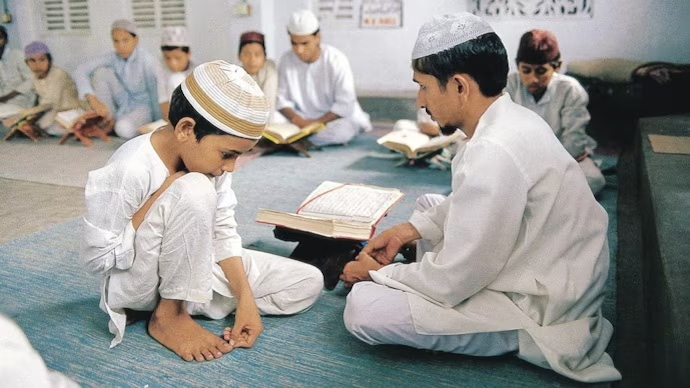
The Uttarakhand government’s aim with this initiative is to integrate all minority children into the mainstream of Uttarakhand’s education system. This will enable minorities to participate in the Uttarakhand education system while also receiving their religious education.
Let us tell you that Uttarakhand state has become the first state in the country which has adopted this process. All these arrangements have been made as per the Constitution.