
The recent floods in the Himalayan regions of Nepal and the natural disaster near the China-Nepal border have once again raised concerns about glacier and avalanche-related hazards in the Himalayan states. In light of this, the central government has intensified the review of disaster preparedness in Uttarakhand, Himachal Pradesh, Sikkim, Arunachal Pradesh, and Jammu and Kashmir. A high-level meeting chaired by Union Home Secretary Govind Mohan in New Delhi on Thursday discussed in detail potential hazards such as glacial lake outburst floods (GLOFs) and avalanches.
The meeting was attended by the Chief Secretaries of the respective states and officials from the State Disaster Management Authorities, along with senior officials from the Ministry of Home Affairs, NDMA, Central Water Commission, Meteorological Department, and DGRE. The officials particularly emphasized the need to increase surveillance of glacial lakes and snow-covered areas where the risk of flash floods or avalanches is high. In addition, preparations were reviewed to identify vulnerable areas, strengthen early warning systems, disseminate local alerts, and evacuate people to safer locations in a timely manner if necessary.
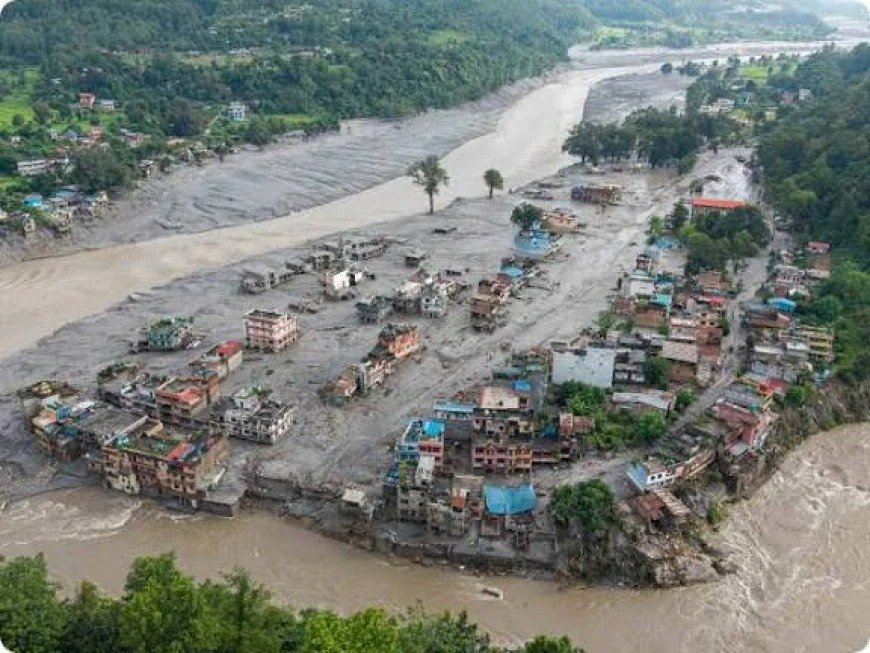
The sudden surge in the Bhote Koshi River in Nepal on August 26th highlighted the severity of this threat. A landslide of ice and rocks in the upper reaches near the Nepal-China border temporarily blocked the river’s flow, and the water then rapidly surged downstream. This event caused widespread devastation in the Himalayan valleys. According to Nepali officials, more than 1,100 people were killed and thousands were reported missing in the disaster. This incident also raised the question of how quickly hazard information can be disseminated to people in inaccessible mountainous areas.
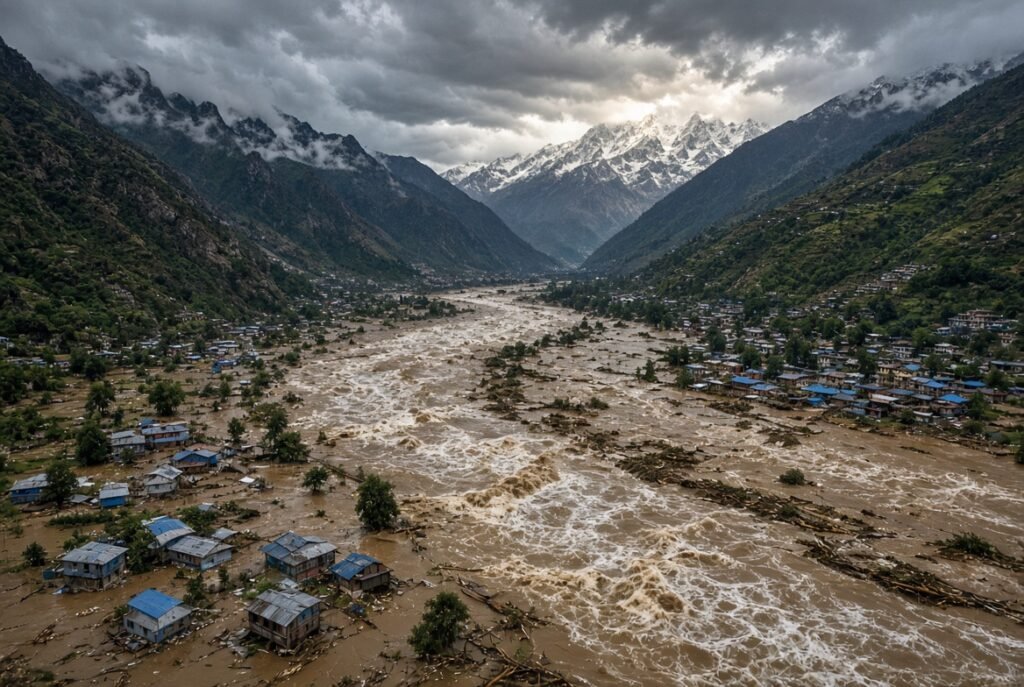
The central government has urged states to focus on risk reduction and not just post-event relief and rescue, but also on pre-emptive risk reduction. The Home Secretary directed the acceleration of GLOF mitigation projects approved in 2024 and ensure better coordination between state agencies, district administrations, and scientific institutions. States were asked to regularly review their disaster management plans, address deficiencies in warning and evacuation systems, and ensure that necessary resources are already available in vulnerable areas. The meeting also emphasized that in a sensitive region like the Himalayas, the response time to any natural hazard is very short, so strong monitoring and timely warnings can play a crucial role in preventing major damage.