
From 11 Cars to 4, CM Convoys Shrink as PM Modi Pushes Frugality Measures
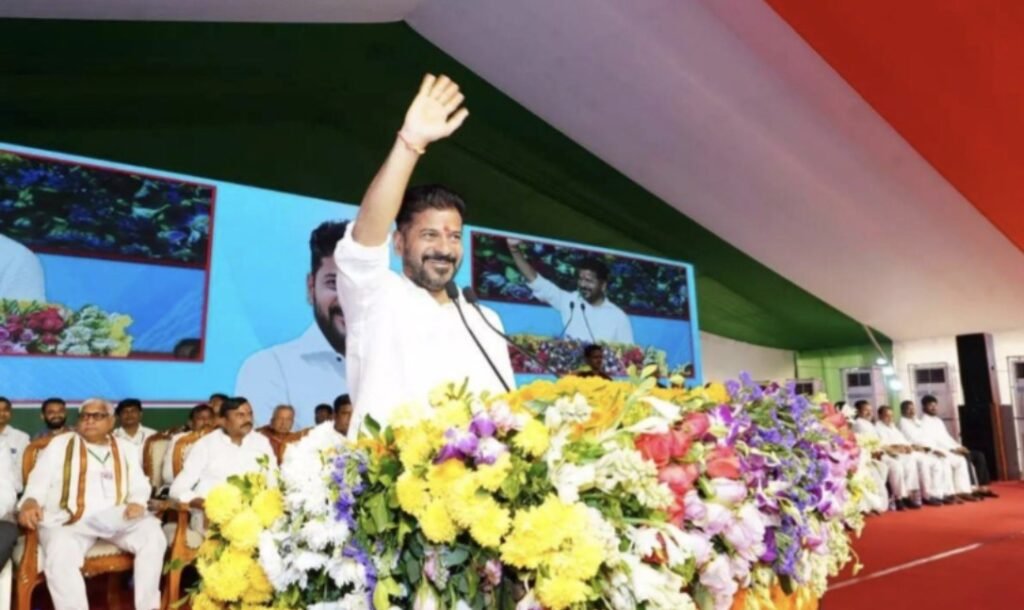
In keeping with Prime Minister Narendra Modi’s message of frugality, Telangana Chief Minister Revanth Reddy has reduced the number of vehicles in his official convoy. Prime Minister Narendra Modi urged the public to adopt frugality measures following the conflict in West Asia. Many government officials, including the Prime Minister, are also reducing the size of their official convoys. The Governor of Telangana has also decided to halve his convoy. In response to the Prime Minister’s appeal, Chief Minister Revanth Reddy has also reduced the number of vehicles in his convoy. In response, the Chief Minister’s convoy has been reduced to four vehicles. The Chief Minister used this reduced convoy to tour Hyderabad on Friday. Following Prime Minister Narendra Modi’s suggestion to reduce petrol and diesel consumption and promote public transport, Andhra Pradesh Chief Minister Chandrababu Naidu, Deputy Chief Minister Pawan Kalyan, and Minister Nara Lokesh have all reduced their vehicle fleets. Chandrababu’s convoy has been reduced from 11 vehicles to just four. The Deputy Chief Minister’s convoy has also been halved. Minister Lokesh’s convoy has been reduced from four to two vehicles, and a minivan has been arranged for his security personnel.
PM Modi embarks on five-nation visit, first leg begins in UAE
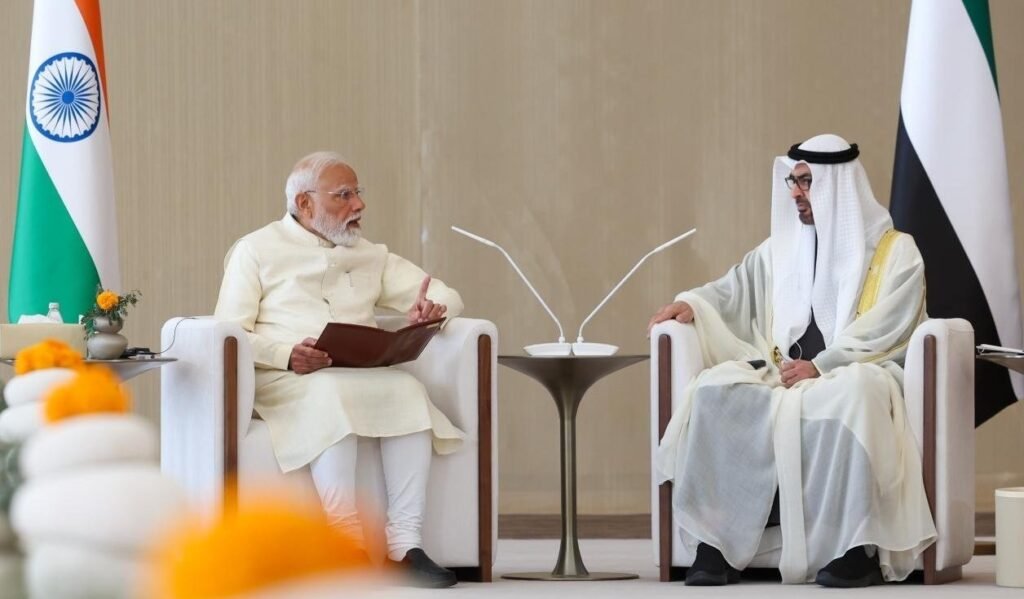
Prime Minister Narendra Modi arrived in Abu Dhabi on Friday for the first leg of his five-nation visit. Upon arrival in Abu Dhabi, he was welcomed by UAE President Sheikh Mohammed bin Zayed Al Nahyan, followed by a guard of honour. During the meeting between PM Modi and the Abu Dhabi President, discussions focused on the India-UAE comprehensive strategic partnership and the rapidly evolving situation in West Asia. Energy security is expected to be a key topic of discussion, as India is monitoring growing concerns about oil supplies and maritime trade routes. Prime Minister scheduled to visit the Netherlands, Sweden, Norway, and Italy The Prime Minister is also scheduled to visit the Netherlands, Sweden, Norway, and Italy. During the talks, PM Modi expressed India’s commitment to providing all possible support to bring peace to West Asia. The two sides also signed agreements to strengthen strategic cooperation in the energy and defense sectors. At the beginning of his meeting with the UAE leader, Modi said, “We condemn the attack on the UAE.” The United Arab Emirates, which hosts a major US military base, has been a target of Iranian attacks during the Iran-US Israel conflict. PM Modi said the UAE’s targeting was unacceptable, but the UAE’s handling of the current situation with restraint was commendable. The Ministry of External Affairs also stated that the Indian Strategic Petroleum Reserves Limited (IPR) signed an agreement with the Abu Dhabi National Oil Company for “strategic cooperation.” The two leaders also signed a strategic cooperation agreement in LPG, aimed at long-term supply of India’s most widely used cooking gas, economic stability, and energy partnership.
Amid Rising Oil Prices, PM Modi Advises Work From Home to Save Fuel
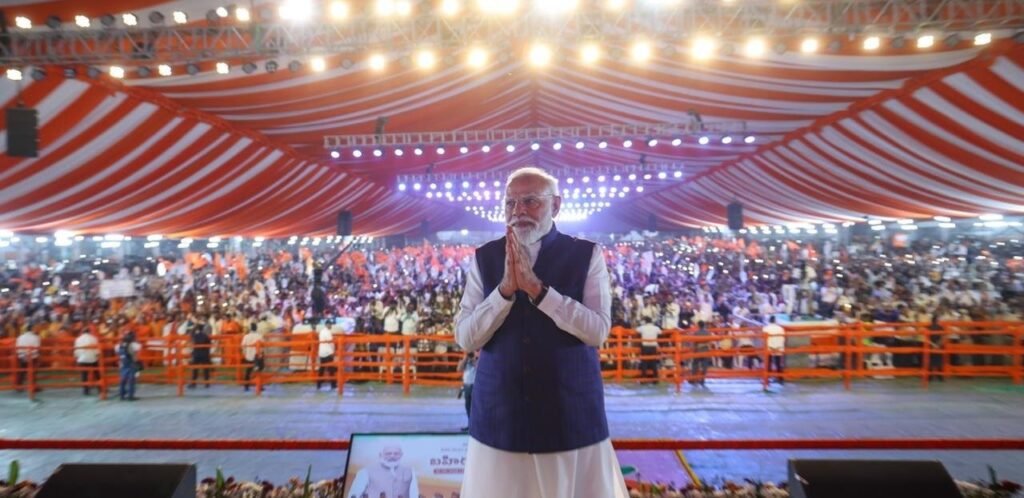
Due to the ongoing war in Iran, shipping through the Strait of Hormuz, a vital global oil supply corridor, has been disrupted, leading to a global oil crisis. In light of the current global situation, amid rising global energy prices and the oil crisis, the government has appealed for judicious fuel consumption in the country. PM Modi urged citizens to use petrol, diesel, and gas judiciously. He also emphasized the importance of energy conservation. He also prioritized working from home, advising that companies and organizations should reconsider working from home wherever possible. According to the Prime Minister’s message, saving fuel is no longer just an environmental issue but is also linked to the country’s economic strength.
Bengal Election 2026: PR Game, Modi Factor & the Rise of the “Jhal Muri” Narrative
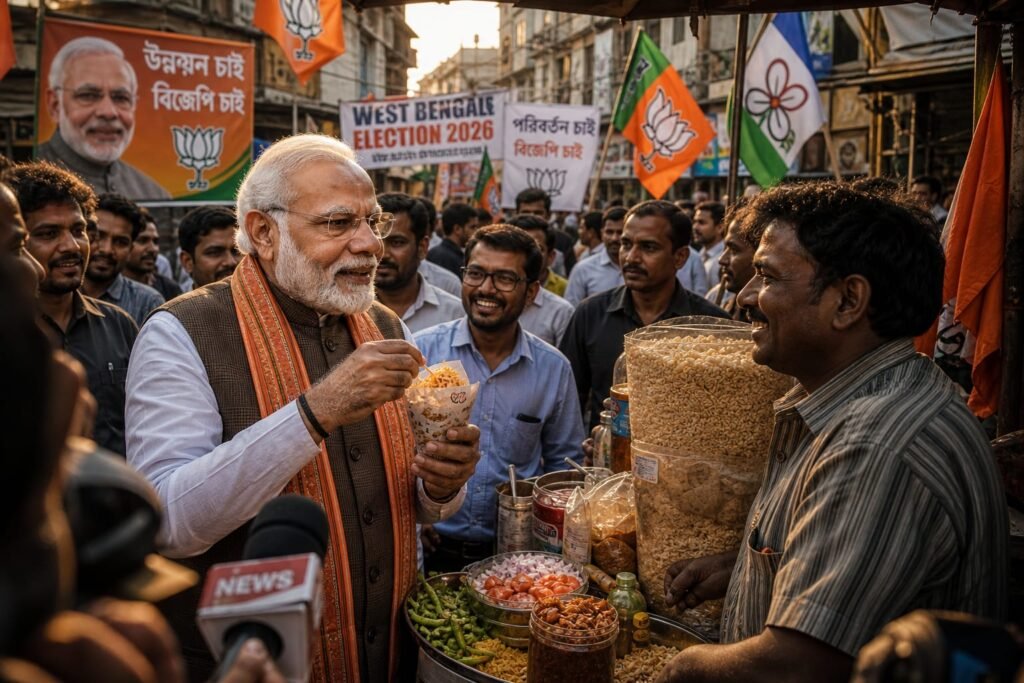
The 2026 West Bengal election marked a significant moment in Indian politics, not just because of the result but because of how the campaign was fought and won. With Narendra Modi leading the charge against Mamata Banerjee, the contest evolved into more than a traditional electoral battle. It became a powerful demonstration of how modern political communication, branding, and perception management can shape voter behavior. The outcome highlighted that in today’s digital-first environment, elections are influenced as much by narratives and emotional connect as by policies and ground-level issues. At the core of the campaign was a carefully crafted aspirational narrative. Instead of relying solely on criticism of the incumbent government, the messaging focused on what Bengal could become in the future. Development, infrastructure, governance, and opportunity were positioned as central themes, particularly targeting young voters and urban audiences. This approach allowed the campaign to shift the conversation from dissatisfaction to possibility, creating a sense of momentum and change. It is a classic public relations strategy—when you give people a vision, you give them a reason to believe. Equally important was the projection of Narendra Modi as not just a political leader but a strong and relatable brand. His image as a decisive and charismatic figure was amplified through rallies, speeches, and digital content. Each appearance was designed to build an emotional connection with voters, reinforcing trust and familiarity. In political PR, this is known as leader-centric campaigning, where the individual becomes the message itself. The Bengal campaign leaned heavily on this model, ensuring that the leader’s personality and narrative remained at the forefront of voter consciousness. One of the most talked-about moments of the campaign was surprisingly simple—Modi stopping to eat jhal muri, a popular Bengali street snack. On the surface, it appeared to be an ordinary interaction, but in reality, it was a highly effective PR moment. The act symbolized cultural acceptance and local connection, sending a subtle message that the leader understands and respects regional identity. In an era driven by visuals and short-form content, this moment quickly went viral across social media platforms. It was shared, memed, and discussed widely, transforming a small gesture into a powerful narrative tool. The “jhal muri moment” demonstrated how symbolic actions can sometimes communicate more effectively than long speeches. The role of digital media further amplified this strategy. Short videos, reels, and meme content ensured that campaign messaging reached a wide audience in an engaging format. Political communication is no longer limited to television debates or newspaper headlines; it now thrives on Instagram feeds, YouTube shorts, and WhatsApp forwards. The Bengal election showcased how digital ecosystems can be used to reinforce narratives, create relatability, and maintain constant engagement with voters. This blend of online and offline campaigning created a seamless flow of messaging that kept the campaign visible and relevant at all times. However, the strong PR push also sparked debate. Critics argued that such moments were carefully staged and focused more on image-building than on substantive issues. Questions were raised about authenticity and whether symbolic gestures overshadowed real policy discussions. Yet, this criticism itself reflects the changing nature of politics. In a media-saturated environment, perception often travels faster than facts, and repeated exposure to a consistent narrative can significantly influence public opinion. Whether one views it as strategic brilliance or calculated optics, the impact of such PR efforts cannot be ignored. Behind the scenes, the campaign was supported by robust organizational strength and grassroots outreach. Booth-level management, targeted voter engagement, and a well-structured party network ensured that the momentum generated by PR translated into actual votes. This highlights an important reality: while PR can create attention and shape perception, it must be backed by strong ground execution to deliver results. The Bengal election was not won by communication alone but by the combination of narrative-building and organizational efficiency. In conclusion, the 2026 West Bengal election stands as a defining example of how political campaigns are evolving in India. It illustrated that elections are no longer decided solely by traditional factors such as caste equations or local issues but are increasingly influenced by storytelling, symbolism, and digital engagement. From grand visions of development to a simple plate of jhal muri, every element of the campaign contributed to a larger narrative framework. The key takeaway is clear: modern politics is as much about winning minds as it is about winning votes.
Beyond Elections: Indian Politicians Who Recently Went Viral for Unexpected Moments
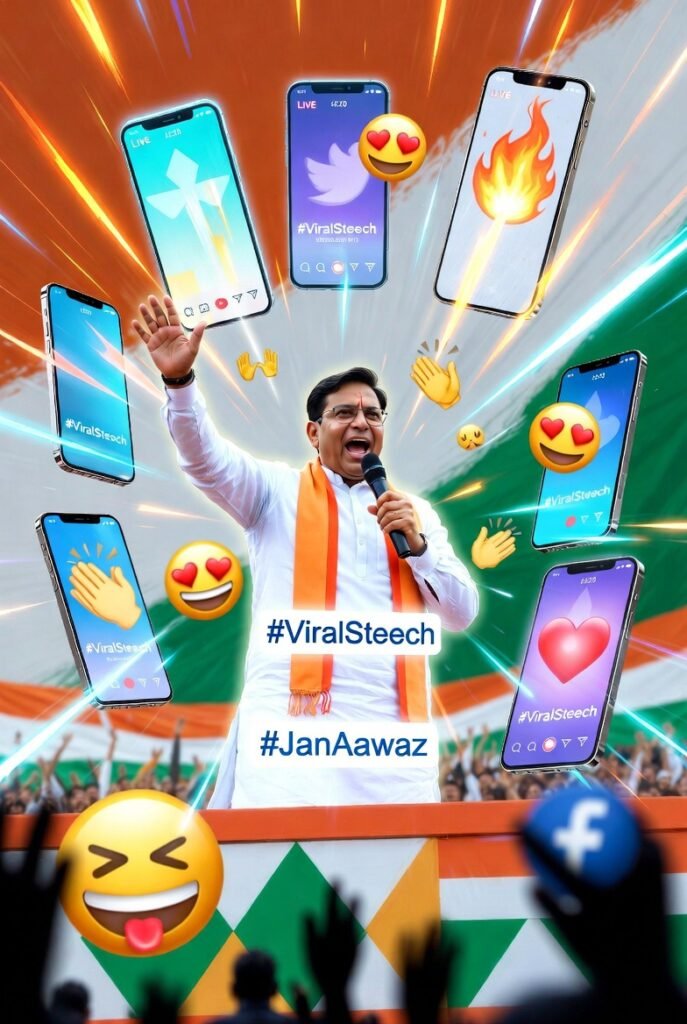
Politics is not limited merely to politicians or elections; during election campaigns or while addressing the public, certain moments occur that go viral. In the Indian political landscape, several such politicians have recently gone viral, trending across social media platforms. Today, we will share some of these viral moments involving such politicians. Actor-turned-politician Vijay embarked on his political journey in Tamil Nadu. His emotive speeches appeared to resonate directly with the masses—particularly when he referred to himself as “your brother, your son” and spoke of leaving behind the glitz and glamour of cinema to dedicate himself to public service. Viral Moment:Responding to a BJP minister, he asserted that while he may be an actor, “there is no acting in his politics.” This statement became a major talking point across social media platforms. Strategy:His party, the Tamilaga Vettri Kazhagam, carved out a distinct identity in the political landscape by employing innovative campaigning methods, such as the use of holograms, robots, and social media reels. Samrat Choudhary assumed the office of Chief Minister in Bihar in April 2026, following a major political realignment in the state and Nitish Kumar’s transition toward national politics. Viral Moment:During an interview, his response to questions regarding his educational background and his change of name appeared visibly tense; the video of this exchange went viral, sparking a debate concerning the educational qualifications of political leaders. Ajay Pal Sharma served as a Special Police Observer during the West Bengal elections. Viral Moment:A video surfaced in which he was seen reprimanding a candidate accused of allegedly intimidating voters. This incident subsequently sparked discussions regarding his tough, “Singham-like” persona. Mithun Chakraborty actively campaigned during the West Bengal elections. Viral Moment:His fiery speeches—particularly statements such as, “We will not let Bengal turn into Bangladesh”—spread rapidly across social media platforms. Priyanka Tibrewal stood as a BJP candidate in West Bengal. Viral Moment:During the polling process in Kolkata, a video emerged showing “commotion at a polling booth,” in which she was seen engaging in heated arguments with officials and alleging electoral irregularities. Saayoni Ghosh is a Member of Parliament (MP) from West Bengal. Viral Moment:At a rally, he recited both the Kalma and the Hanuman Chalisa; the video of this act went viral, sparking a debate regarding the role of religion in politics. The electoral face-off between Narendra Modi and Mamata Banerjee also remained a major topic of discussion. Viral Trend:Rallies held by both sides went viral on social media—driven by symbols and memes such as “Jhalmuri vs. Fish”—thereby making the electoral atmosphere even more engaging.